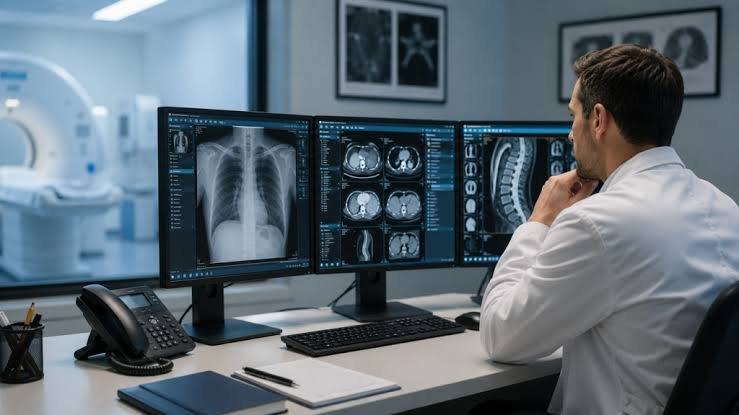
Medical imaging has changed significantly with the development of digital technologies. Hospitals and diagnostic centres now depend on faster imaging systems that can produce clear results while supporting efficient patient care. Technologies such as digital fluoroscopy, DR imaging, DR radiology solutions, and the digital detector are helping radiology departments improve image acquisition, workflow, and diagnostic support.
Understanding Digital Fluoroscopy
Digital fluoroscopy is an imaging technique that allows healthcare professionals to view moving images in real time. It is commonly used for procedures where observing movement inside the body is important, including gastrointestinal studies, vascular examinations, and image-guided procedures.
Unlike traditional fluoroscopy methods that depended heavily on film or older image intensifier systems, modern digital fluoroscopy can provide digitally captured images that are easier to store, review, and share. This makes the technology useful in departments that need efficient imaging workflows.
The Role of DR Imaging
DR imaging refers to digital radiography, where X-ray images are captured electronically rather than using traditional film. This technology can reduce processing time and make images available to radiologists much faster.
Modern DR imaging systems can also integrate with hospital information systems and picture archiving and communication systems. This allows images to be stored digitally and accessed when required.
Why Digital Detectors Matter
The digital detector is one of the most important components in modern digital radiography. It captures X-ray energy and converts it into an electronic image that can be displayed on a workstation.
A high-quality digital detector can support detailed image acquisition while helping radiology teams work more efficiently. Portable detectors are particularly useful in emergency departments, intensive care units, and other areas where moving patients to a conventional X-ray room may not always be practical.
Connecting Technology With Workflow
Modern DR radiology solutions are not only about producing better images. They also focus on improving the complete imaging workflow. Automated image processing, digital storage, connectivity, and easier image transfer can reduce unnecessary steps for radiographers and radiologists.
When DR radiology solutions are properly integrated, departments can manage examinations more efficiently and reduce delays between image acquisition and clinical review.
Improving Efficiency and Patient Care
The combination of digital fluoroscopy, DR imaging, and a reliable digital detector can make a noticeable difference in day-to-day radiology operations. Digital workflows can reduce dependence on physical film, simplify image distribution, and make previous examinations easier to retrieve.
At the same time, healthcare providers must consider factors such as radiation management, equipment maintenance, staff training, cybersecurity, and system compatibility when investing in DR radiology solutions.
Conclusion
Digital imaging is becoming an essential part of modern diagnostic healthcare. From real-time digital fluoroscopy to efficient DR imaging and advanced digital detector technology, these systems can help radiology departments create faster and more connected workflows.
A leading provider in medical imaging focuses on developing dependable radiology technologies that support hospitals and diagnostic centres. Its solutions are designed around image quality, workflow efficiency, system integration, and practical clinical requirements, helping healthcare professionals build modern imaging environments that can meet changing patient care demands.