Hair does not grow back on a fixed schedule. Whether you are recovering from hormonal shedding or waiting for the results of a transplant, several factors influence how quickly hair returns and how it looks when it does. Knowing these factors makes the waiting period easier and helps you notice when something needs medical attention.
Hormonal Shifts and Shedding
Hormonal events such as childbirth, menopause or a change in contraception can move many hairs into the resting phase at once. The shedding that follows typically appears weeks to months later and often improves on its own once hormone levels stabilise. People with a genetic tendency to thinning may find that these events reveal or speed up a pattern that was already developing.
The relationship between birth control and hair loss is a good example. Some progestins have more androgen-like activity than others, and coming off hormonal contraception can trigger temporary shedding. Discussing the options with a doctor is better than changing methods suddenly.
How the Scalp Heals After a Transplant
After surgery, each tiny incision closes with a small crust. These crusts protect the follicles while they anchor into the surrounding tissue. Gentle washing as instructed by the clinic softens them gradually, and most have gone by around the second week. Learning how scabs heal after a transplant helps patients avoid the most common mistake: scratching or picking before the grafts are secure.
- keep to the washing routine you were given, without rubbing
- avoid direct sun, saunas and heavy sweating in the early days
- let crusts fall away naturally rather than pulling them
- report spreading redness, discharge or fever promptly

The Growth Phases That Follow
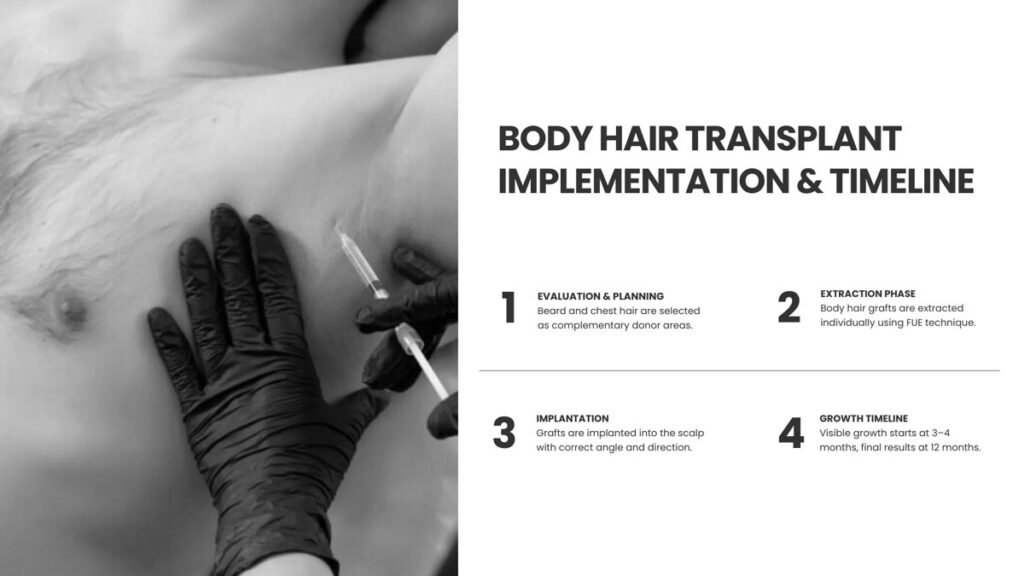
Most transplanted hairs shed within the first weeks. This is expected: the follicle stays in place and starts a new growth cycle. Visible growth commonly begins a few months later, and the final result is usually judged after a year or longer.
Why new hair can feel different at first
Early regrowth is sometimes finer, curlier or coarser than the surrounding hair. Patients often find this settles as the hairs mature and thicken. Reading about changes in hair texture after a transplant can reassure people who notice this in the first months and explain when it is worth raising with the surgeon.

Habits That Support Regrowth
General health has a real influence on hair. Adequate protein, enough iron and vitamin D, good sleep and managing long-term stress all support normal follicle function. Smoking is linked to slower wound healing, so many surgeons ask patients to stop or cut down around the time of surgery. None of these habits replaces medical treatment, but together they create better conditions for hair to grow.
- keep a simple photo diary every few weeks in the same lighting
- attend follow-up appointments, even if progress seems slow
- ask before starting new products on a healing scalp
Keeping Expectations Realistic
It is natural to check the mirror every day after treatment, but hair changes slowly, and daily checks tend to cause more worry than reassurance. A better approach is to compare photos taken a few weeks apart in the same light and from the same angles. If progress seems slower than expected, the team that treated you can compare your growth with the usual timeline and check whether anything, such as an untreated deficiency or a hormonal change, is holding it back. Most concerns raised in the first months turn out to be part of the normal cycle, but it is always reasonable to ask.