Introduction
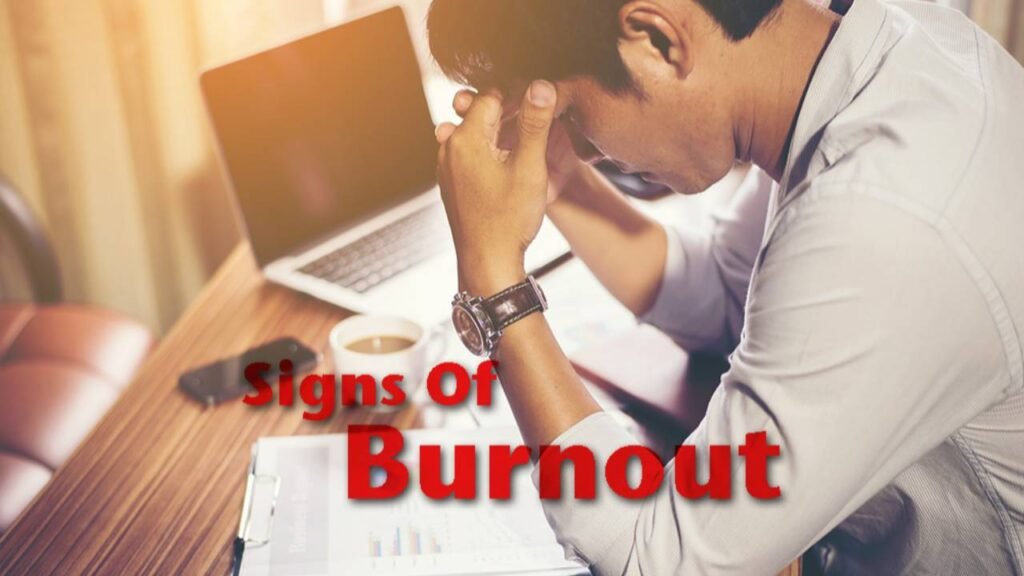
There’s a difference between being tired after a long week and actually experiencing burnout. Recognizing the real signs of burnout early can save you months of feeling stuck, exhausted, and disconnected from work you may have once enjoyed.
What Exactly Is Burnout?
Direct answer: Signs of burnout include chronic exhaustion, growing cynicism toward work, and reduced sense of accomplishment — the World Health Organization officially classifies burnout as an occupational phenomenon resulting from chronic, unmanaged workplace stress.
It’s not just “being lazy” or needing a weekend off — burnout builds over months, sometimes years, of unaddressed stress.
Physical Signs of Burnout
- Constant fatigue, even after adequate sleep
- Frequent headaches or muscle tension
- Getting sick more often than usual
- Changes in appetite or sleep patterns
Emotional and Mental Signs of Burnout
- Feeling cynical or detached from your work
- Reduced sense of accomplishment, even after finishing tasks
- Irritability that spills over into personal relationships
- Dreading Monday mornings far more intensely than before
Has this ever happened to you — completing a task that used to feel satisfying, but now it just feels empty? That’s a fairly classic burnout marker.
Behavioral Signs to Watch For
- Procrastinating on tasks you used to handle easily
- Withdrawing from colleagues or team activities
- Increased reliance on caffeine, or reduced motivation to exercise
- Difficulty concentrating, even on simple tasks
[link to related guide on how to deal with work stress here]
How Burnout Differs From Regular Tiredness
Regular tiredness usually resolves with rest — a good weekend, a proper night’s sleep. Burnout doesn’t bounce back that easily; even a full vacation often provides only temporary relief before the exhaustion returns once work resumes.
Steps to Start Recovering From Burnout
- Acknowledge it honestly instead of pushing through
- Talk to your manager about workload, if possible
- Prioritize sleep and basic physical health first
- Reintroduce small things you enjoy outside work
- Consider professional support if it’s significantly affecting daily life
When to Seek Professional Help
If signs of burnout are affecting your relationships, physical health, or basic daily functioning for weeks, it’s genuinely worth speaking to a therapist or counselor rather than trying to push through alone.
FAQ
Q1. What are the earliest signs of burnout to watch for? Persistent fatigue and growing cynicism toward work tasks are usually among the earliest warning signs.
Q2. Can burnout happen even if I like my job? Yes, burnout is more about chronic unmanaged stress and workload than simply disliking your job.
Q3. How long does it take to recover from burnout? It varies significantly, ranging from a few weeks for mild cases to several months for more severe, prolonged burnout.
Q4. Is burnout the same as depression? No, though they share overlapping symptoms — burnout is specifically tied to chronic work-related stress, while depression is broader.
Q5. Can taking a vacation fix burnout? It can help temporarily, but without addressing underlying workload or stress causes, symptoms often return once back at work.
Conclusion
Recognizing the signs of burnout early gives you a real chance to address it before it spirals further. If several of these signs sound familiar, don’t brush it off as “just being busy” — take it seriously, and consider talking to someone, whether a colleague, friend, or professional.