Introduction
Deadlines piling up, messages coming in even after office hours, a manager who expects “urgent” replies at 9 PM — sound familiar? Knowing how to deal with work stress isn’t a luxury anymore, it’s practically a survival skill in most modern jobs.
Why Work Stress Has Gotten Worse
Direct answer: Learning how to deal with work stress starts with identifying triggers, setting realistic boundaries, and using short daily stress-relief practices — rather than waiting for a big vacation to “reset.”
Remote and hybrid work blurred boundaries further, and constant connectivity via phones means work stress rarely gets a proper off switch anymore.
Identify Your Specific Stress Triggers
Not all work stress is the same. Is it workload, a difficult colleague, unclear expectations, or fear of job security? Naming the actual trigger makes it far easier to address than vaguely feeling “stressed all the time.”
Daily Micro-Practices That Help
- 5-minute breathing exercises between meetings
- A short walk outside during lunch, away from your desk
- Writing down your top 3 priorities each morning to reduce overwhelm
I’ve noticed that even just stepping outside for fresh air for five minutes resets my mind far better than scrolling social media during a “break.”
Setting Boundaries With Your Manager
This feels scary for a lot of people, but a simple, respectful conversation — “I can prioritize this by tomorrow, but not both today” — is far more sustainable than silently absorbing everything and burning out later.
[link to related guide on work-life balance tips here]
When Work Stress Turns Into Something More
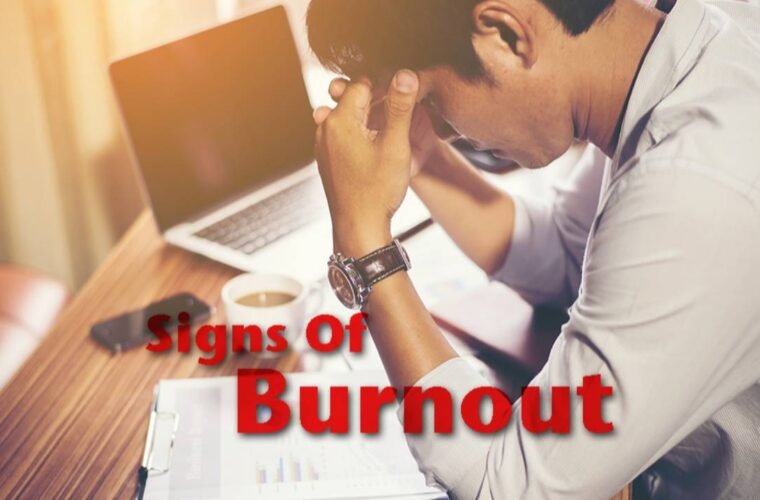
Occasional stress is normal. But if you’re experiencing constant dread about work, sleep disruption, or physical symptoms like chest tightness regularly, it may be tipping into anxiety or burnout territory that needs proper attention.
[link to related guide on signs of burnout here]
Physical Habits That Reduce Stress Response
- Regular exercise, even just 20-30 minutes most days
- Limiting caffeine, especially after 2-3 PM
- Consistent sleep schedule, even during busy weeks
Talking to Someone Helps More Than People Admit
Whether it’s a trusted colleague, friend, or a mental health professional, verbalizing work stress often reduces its intensity. Bottling it up rarely makes it smaller — it usually makes it bigger over time.
FAQ
Q1. What’s the fastest way to deal with work stress in the moment? A short breathing exercise or stepping away from your desk for a few minutes can help calm an immediate stress spike.
Q2. How do I know if my work stress needs professional help? If stress is affecting your sleep, appetite, or daily functioning consistently, it’s worth speaking to a mental health professional.
Q3. Can exercise really help with work stress? Yes, regular physical activity reduces cortisol levels and improves overall stress resilience over time.
Q4. Is it okay to talk to my manager about feeling stressed? Generally yes, a calm, solution-focused conversation about workload is usually better received than people expect.
Q5. How to deal with work stress when I can’t change my job right now? Focus on what’s within your control — boundaries, daily stress-relief habits, and small workflow changes can help even without changing jobs.
Conclusion
Figuring out how to deal with work stress isn’t about eliminating stress completely — that’s unrealistic for most jobs. It’s about building small, consistent habits that stop stress from snowballing into burnout. Pick one strategy from this article and try it this week.