Introduction
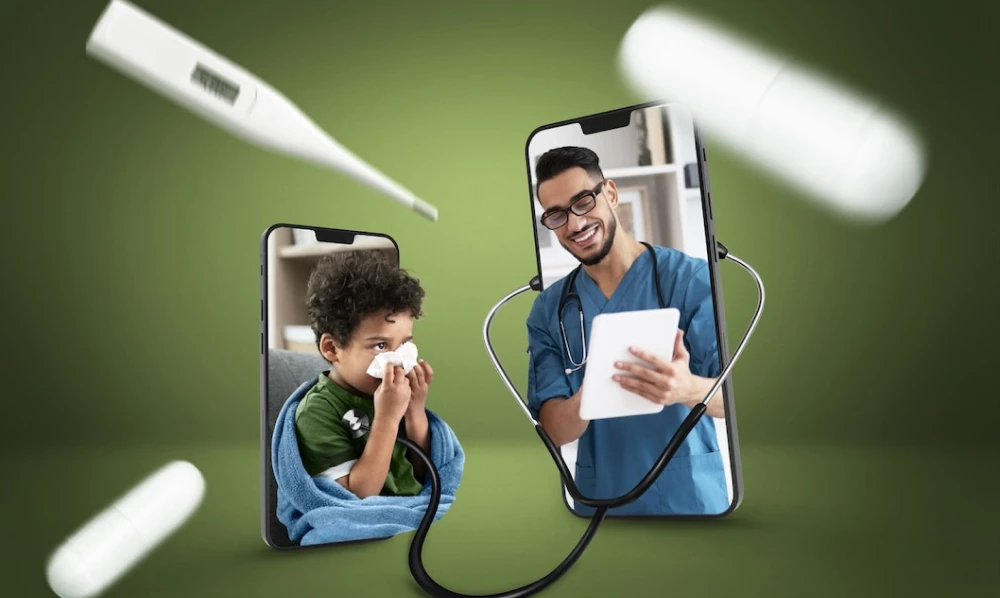
A decade ago, video-calling a doctor would’ve sounded unusual to most Indian families. Today, telemedicine in India has become a normal, often preferred way to access healthcare, especially for routine consultations and follow-ups.
What Sparked the Telemedicine Boom in India?
Direct answer: Telemedicine in India expanded rapidly after 2020, driven by pandemic necessity, improved internet access, and supportive government guidelines — it now plays a significant role in reaching patients in rural and semi-urban areas with limited specialist access.
The pandemic forced both patients and doctors to adapt quickly, and many discovered that remote consultations genuinely worked well for a large percentage of routine cases.
Benefits of Telemedicine for Indian Patients
- Reduced travel time and cost, especially significant for rural patients
- Easier access to specialists not available locally
- More convenient follow-up consultations for chronic conditions
- Reduced exposure to hospital-acquired infections for vulnerable patients
Picture a patient in a smaller town near Jaipur needing a specialist consultation that previously meant a full day’s travel to a bigger city — telemedicine has genuinely changed that experience for many families.
Which Conditions Work Well With Telemedicine?
- Routine follow-ups for chronic conditions (diabetes, hypertension)
- Mental health consultations
- Minor illness consultations (cold, mild infections)
- Prescription renewals and medication management
[link to related guide on general physician vs specialist here]
Limitations of Telemedicine
Not everything can be handled remotely. Physical examinations, certain diagnostic tests, and emergency situations still require in-person visits. Telemedicine works best as a complement to, not a complete replacement for, traditional healthcare.
Government Initiatives Supporting Telemedicine
India’s eSanjeevani platform, launched to support telemedicine access, has facilitated a significant number of consultations across the country, particularly benefiting rural populations with limited specialist access nearby.
Challenges Telemedicine Still Faces in India
- Inconsistent internet connectivity in some rural areas
- Older generations less comfortable with digital platforms
- Concerns around data privacy and security
- Limited ability to conduct physical examinations remotely
The Future of Telemedicine in India
As internet infrastructure continues improving and digital literacy grows, telemedicine in India is expected to expand further, particularly for mental health services and chronic disease management, where regular check-ins matter more than physical exams.
[link to related guide on best health tracking apps 2026 here]
FAQ
Q1. Is telemedicine in India as effective as in-person consultations? For many routine and follow-up consultations, yes, though certain conditions still require physical examination.
Q2. Are telemedicine consultations covered by health insurance in India? Coverage varies by insurer and policy; it’s worth checking directly with your specific health insurance provider.
Q3. What types of doctors are commonly available via telemedicine? General physicians, mental health professionals, and several specialists offer telemedicine consultations across most major platforms.
Q4. Is telemedicine safe for elderly patients in India? It can be, though many elderly patients need assistance navigating digital platforms comfortably.
Q5. Can telemedicine handle prescription renewals in India? Yes, this is one of the most common and convenient uses of telemedicine for ongoing conditions.
Conclusion
Telemedicine in India has genuinely reshaped how many families, especially outside big cities, access healthcare — making specialist consultations far more reachable than before. While it won’t fully replace in-person care, it’s become a valuable, convenient option worth using for the right situations.