Introduction
Every parent knows that panicked feeling when their child suddenly has a fever or won’t stop coughing. Most common childhood illnesses are actually quite manageable at home, but knowing when something needs proper medical attention makes a real difference.
Why Kids Get Sick So Often
Direct answer: Common childhood illnesses like colds, ear infections, and stomach bugs are frequent because children’s immune systems are still developing — most resolve within a week with rest and basic home care, though some symptoms need medical attention.
Children, especially those in school or daycare, are exposed to far more germs than adults, and their immune systems are literally still learning to respond to them.
Common Cold and Cough
This is probably the most frequent illness parents deal with. Runny nose, mild cough, and low-grade fever usually resolve within 7-10 days with rest, fluids, and comfort measures.
- Keep the child hydrated
- Use a humidifier if the air is dry
- Honey (for children over 1 year) can help soothe cough
Ear Infections
Common in younger children due to shorter, more horizontal ear tubes that trap fluid easily. Symptoms include ear pain, tugging at the ear, and sometimes fever.
[link to related guide on general physician vs specialist here]
Stomach Bugs and Digestive Issues
Vomiting and diarrhea are common, usually viral, and typically resolve within a few days. The biggest concern is dehydration, so fluid intake matters more than forcing food during recovery.
- Offer small, frequent sips of ORS or water
- Avoid sugary drinks, which can worsen diarrhea
- Bland foods (rice, banana, toast) once appetite returns
Fever: When Is It Serious?
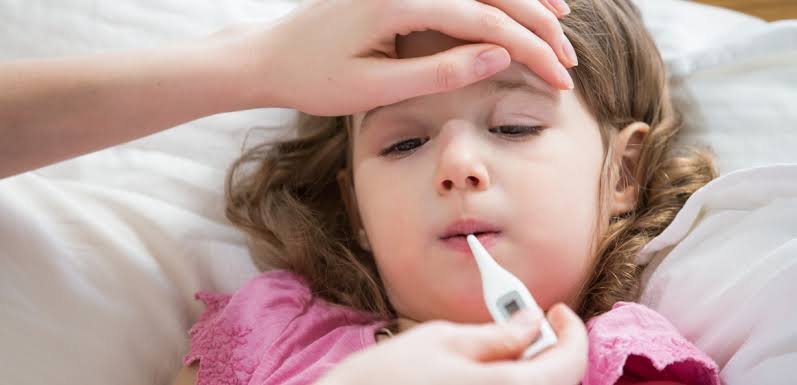
Fever itself is usually the body’s normal response to infection, not dangerous by itself in most cases. However, very high fever, fever in infants under 3 months, or fever lasting more than 3-4 days needs medical evaluation.
I’ve noticed parents often panic more over fever numbers than the child’s actual behavior — a child playing normally with mild fever is usually less concerning than a lethargic child with even moderate fever.
Skin Rashes in Children
Many childhood rashes are harmless viral rashes that clear on their own. However, rashes with fever, difficulty breathing, or rapid spreading need prompt medical attention.
When to See a Doctor Immediately
- High fever in infants under 3 months
- Difficulty breathing or persistent rapid breathing
- Signs of dehydration (no urination for 8+ hours, sunken eyes)
- Unusual lethargy or difficulty waking the child
- Rash accompanied by high fever
[link to related guide on healthy diet plan for children here]
FAQ
Q1. How often is it normal for children to get sick? Young children, especially in daycare or school, commonly get sick 6-10 times a year, particularly with colds.
Q2. When should a child’s fever worry parents? Fever in infants under 3 months, very high fever, or fever lasting beyond 3-4 days should be checked by a doctor.
Q3. Are ear infections in children serious? Most resolve with treatment, but persistent or recurrent ear infections need proper medical evaluation to prevent complications.
Q4. What’s the biggest risk with stomach bugs in kids? Dehydration is the main concern — monitoring fluid intake and urination is more important than forcing food.
Q5. Do all childhood rashes need a doctor visit? Not all, but rashes with fever, rapid spreading, or breathing difficulty should be evaluated promptly.
Conclusion
Dealing with common childhood illnesses is simply part of parenting, and most cases resolve with basic home care and patience. Trust your instincts as a parent — if something feels seriously off beyond typical symptoms, don’t hesitate to get it checked.